Sketches, whatnots, waiting around for a chance to be on the main page followed by a bit about how someone who doesn’t know how to make a comic decides to force themself to learn on a deadline, every week…

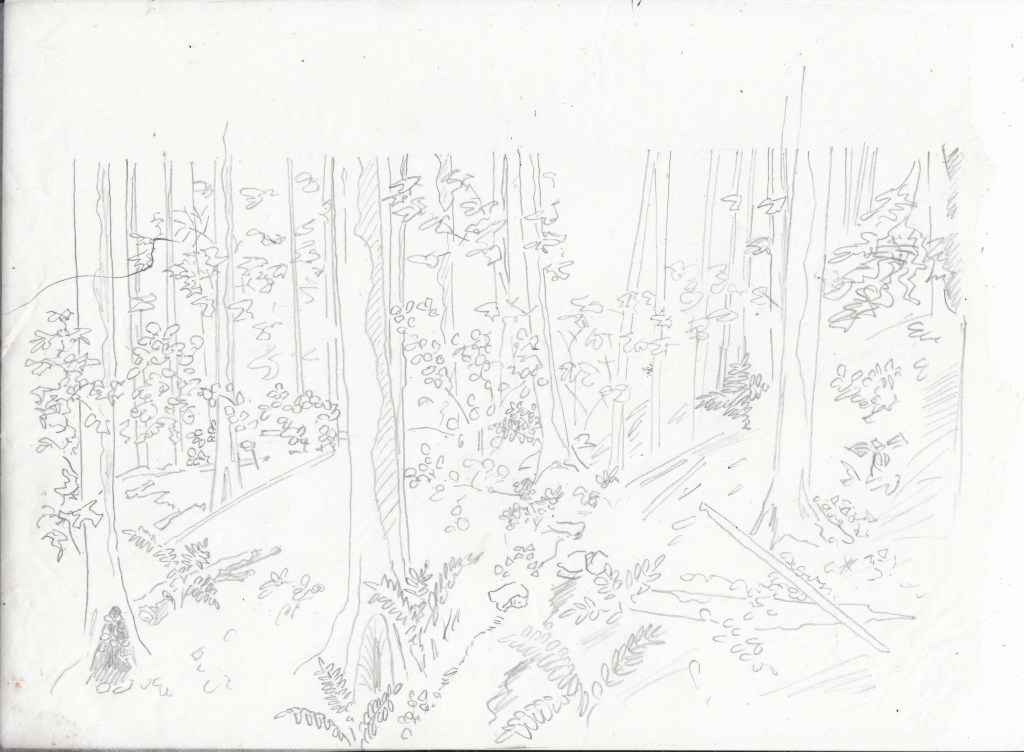
A bit about how and why
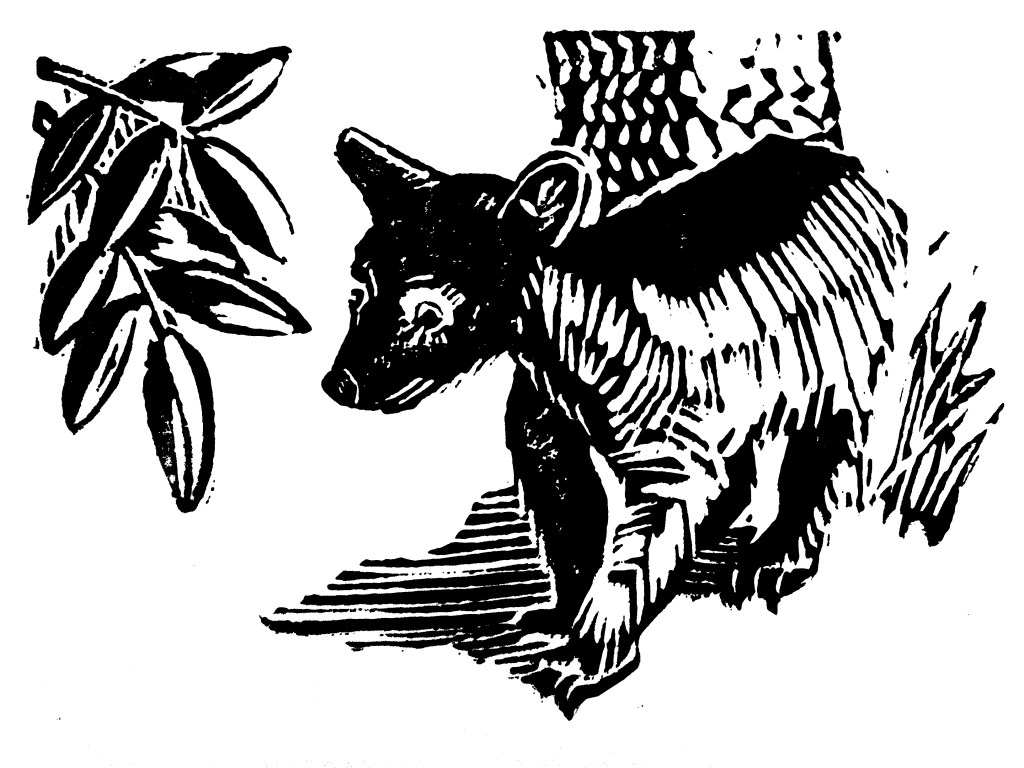
A few years ago I tried to make a little story about a bear. This bear. The story was fine, simple, and I made a few more prints for it.

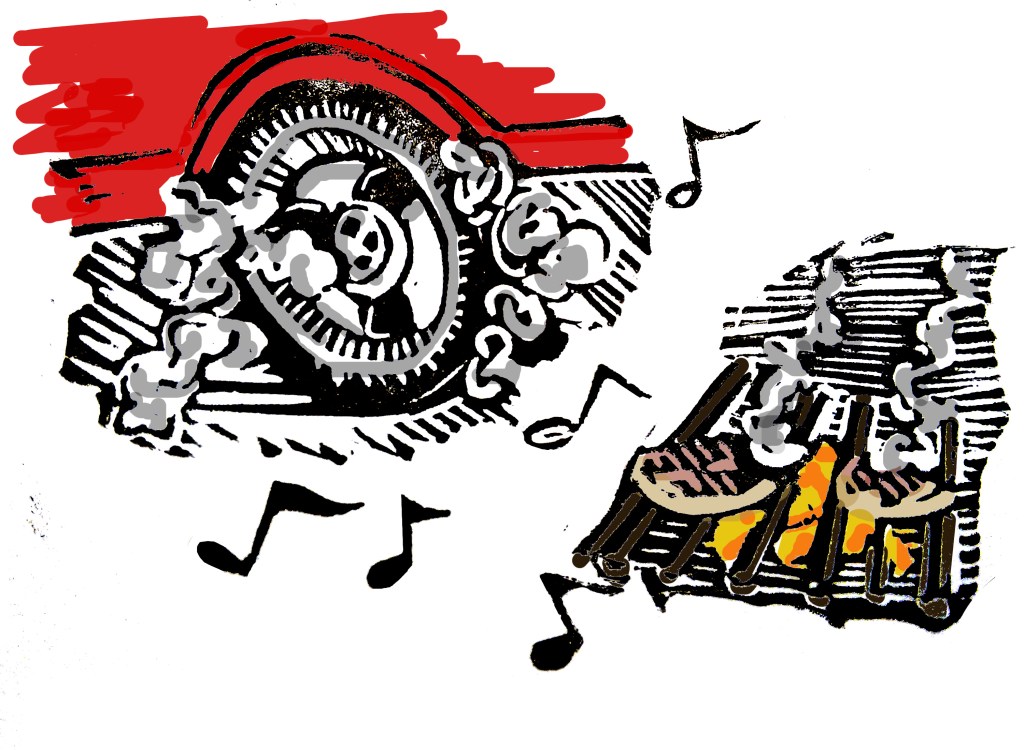
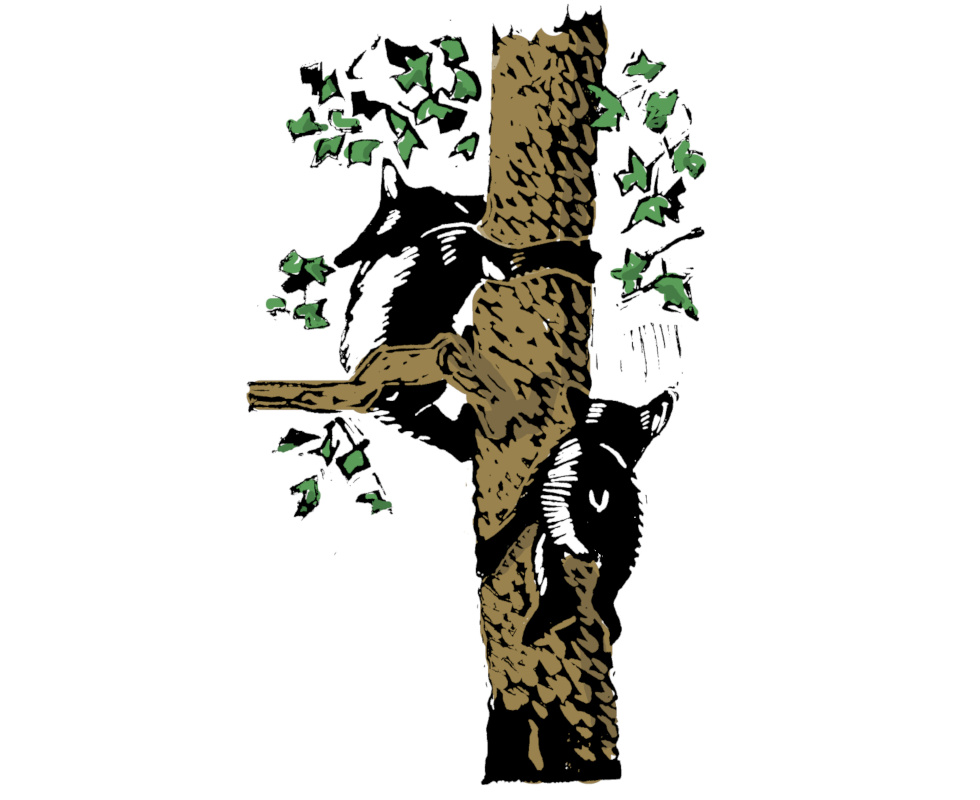
The prints came out pretty well, but I wanted to try making animals who moved, and seemed happy or sad. Block prints can do that, but they take a bit of time to carve and print. I could be more patient.
Foolishly or not, I knew that having a weekly deadline, in public, would force me to keep going. In the beginning, it also helped me avoid a lot of news before the election, which was fine with me.
First, I just played around with type and pretended to know what I was doing – which is a great way to start! Don’t get down because you can’t do something at the start. Play and draw and write until you find what it is you can do, eventually, because you surely can. And then it will be yours.
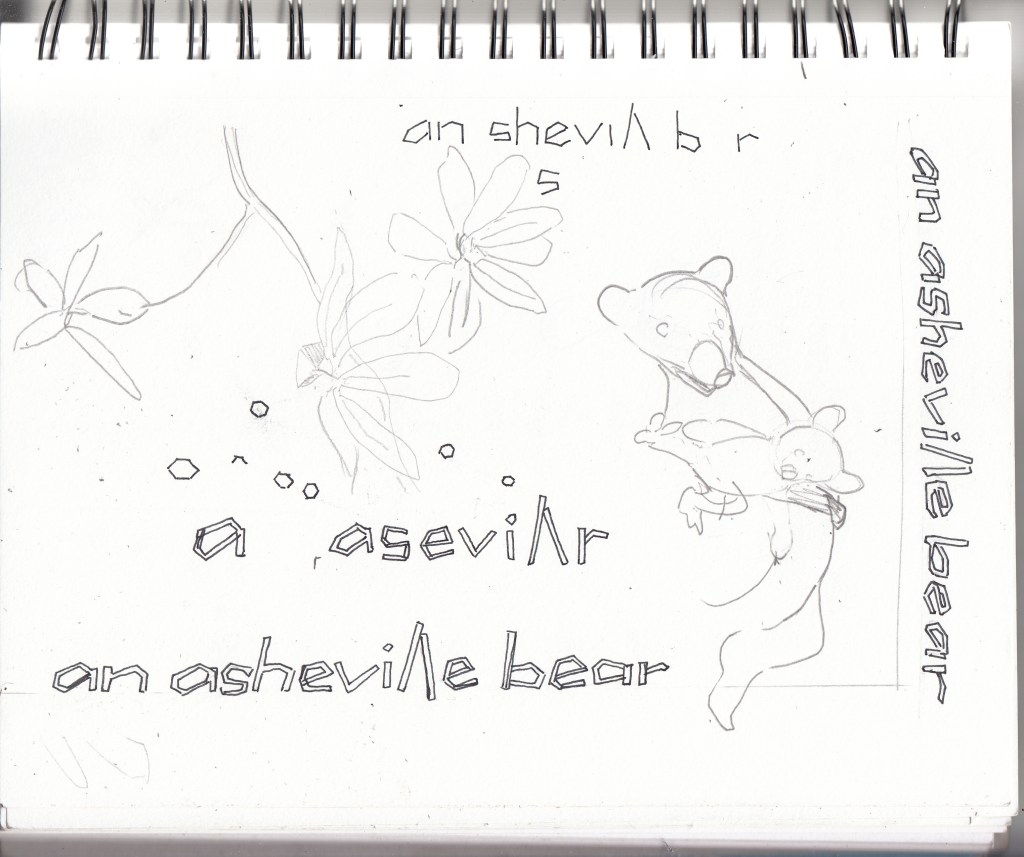
So, I started looking at bear pictures. Libraries have books on different animals, often in the kids’ section, which are great subjects to draw from. And, did you know that, if you check books out, they are more likely to be there when you want to see them later? Books that never get checked out don’t tend to stay around forever.
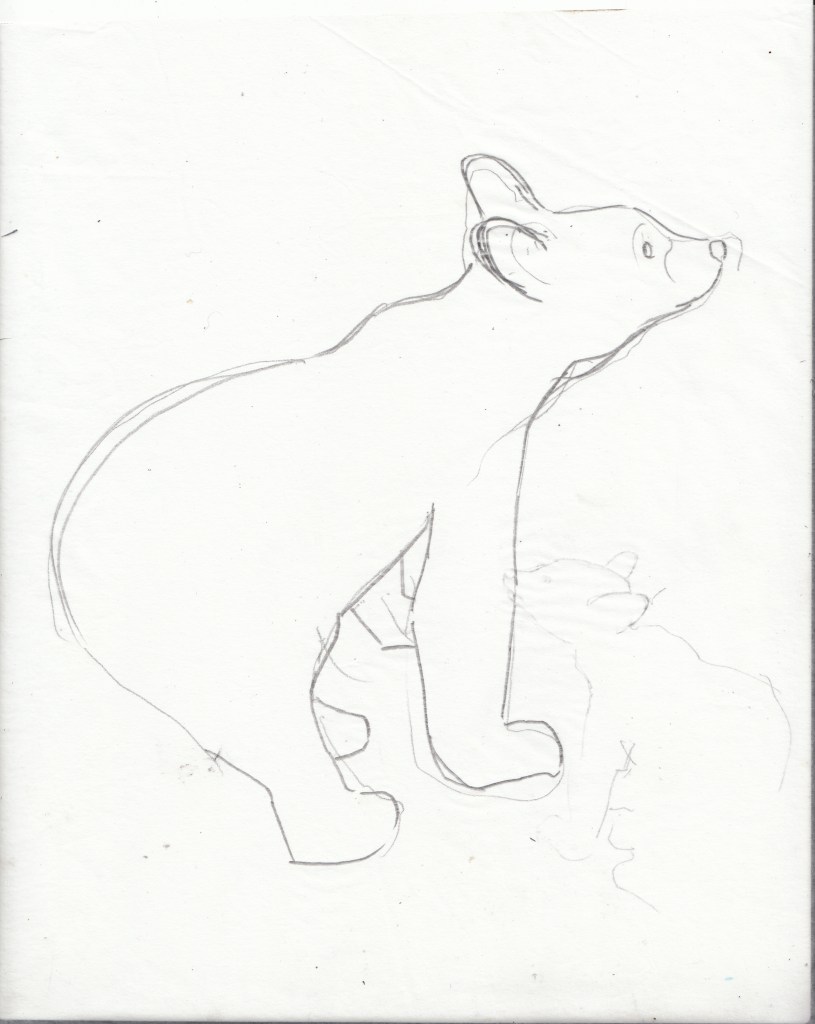
Anyway, some drawings looked good right away, especially when I found a model doing what I wanted my characters to do.
Pretty soon, though, I wanted them to do things there were no pictures for. That’s when I actually had to learn more about drawing bears, and other animals. And that’s when it started to be really fun. If you look at a bear’s head from many different angles, thinking with your pencil (drawing), you start to get a feel for the slope of their brow, the shape of their eyes and you start to get a sense of when it’s wrong.
This is why it’s so hard to draw people well. Everyone in the world knows what a person looks like, so one long leg or one twisted shoulder stands out like a sore thumb. I drew buildings for years and expected to be good at people when I tried. I wasn’t. The trick is to enjoy playing with it, enjoy the effort and be happy with each line that sings.
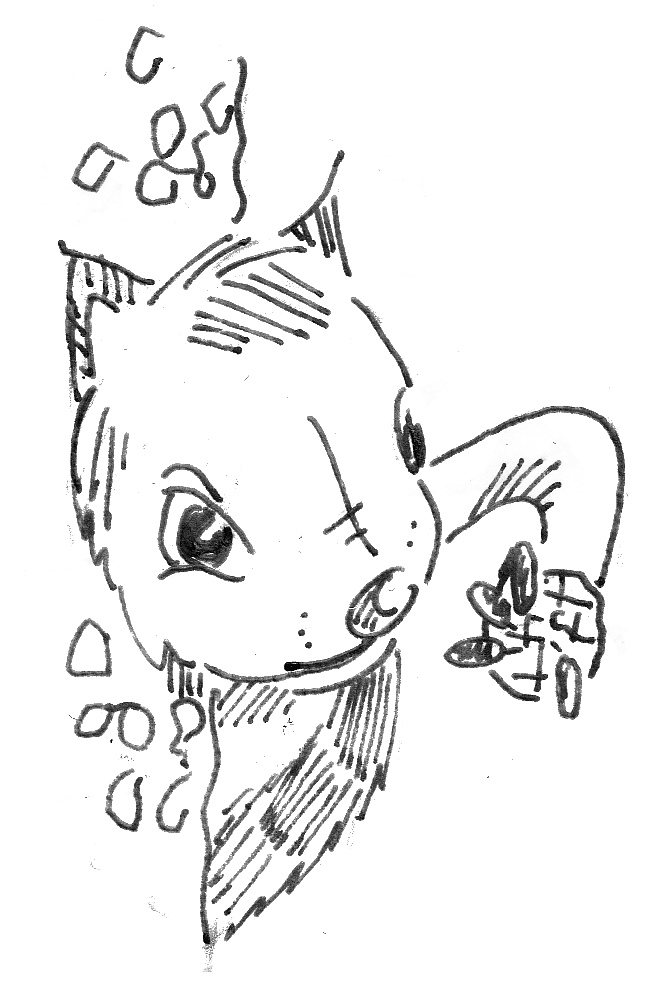
If you look at post 13, you’ll see a squirrel with an oddly shaped head about to lob that fat acorn down on Also.
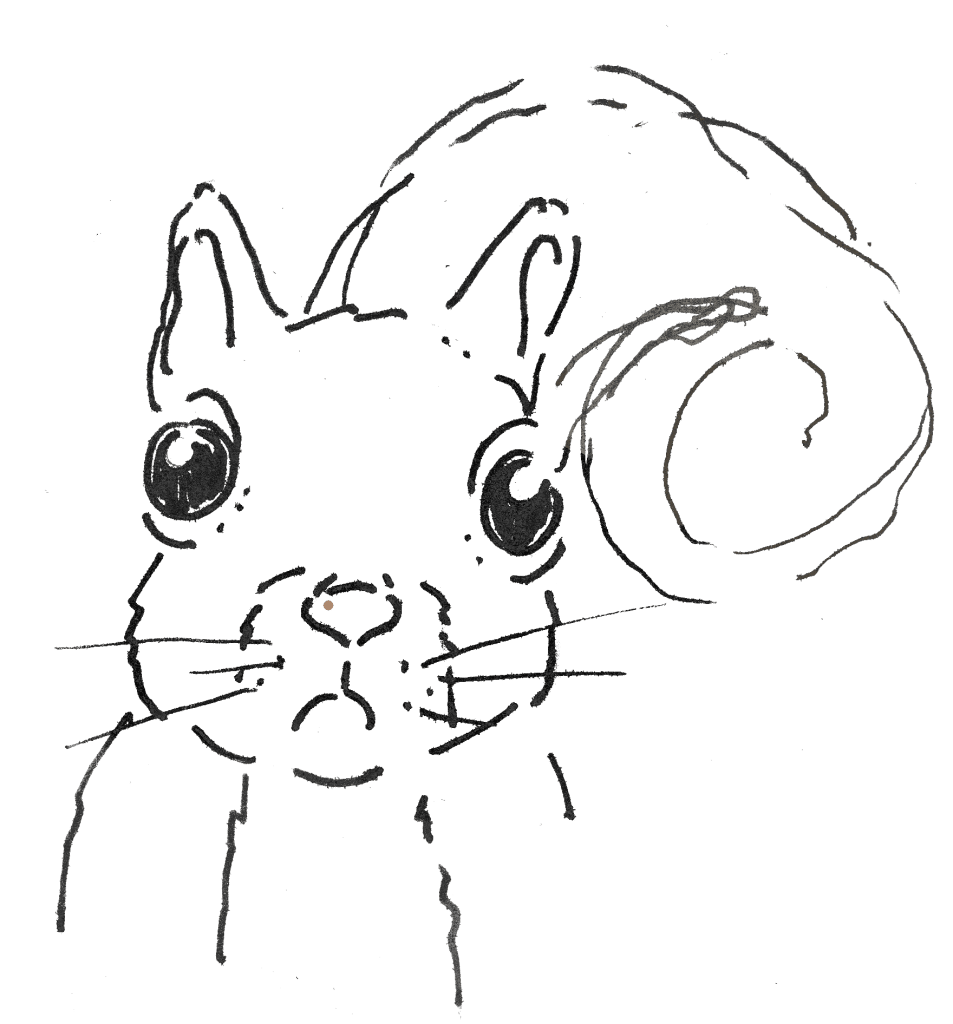
By page 15, I had a better idea of what a squirrel actually looks like. Did you know that red squirrels are called ‘boomers’ all up and down the Appalachian mountains?
Of course, you don’t have to draw things as they exist in nature. I just wanted to get a handle on it first. Many of the best cartoon animals are impossible to identify by species, only by their stunning personalities.
One of the most useful things I’ve been learning is how to make wordpress.com do what I want it to do. I’m no coder, so I use a simple theme and opt out of all of the bells and whistles. I make the pages (2x final size for resolution) ahead of time and schedule them, just like the daily strips in the funnies – otherwise comics would become like a job, with no vacations. The strip automatically comes up on the anashevillebear twitter page each week. I make a special image for anashevillebear on instagram and put it up sometime near the time the comic comes out.
Also (not the lil’ gal), I would be remiss if I didn’t say how much easier my cheapo wacom tablet has made coloring and finishing the sketches. Repetitive movements, even if for a cute purpose, not so much fun. Here is an older post, in another space, on that most fun labor saving device: https://www.tumblr.com/margaretdahm/155039993487/wacom?source=share
Moving pictures
Drawing still, not moving pictures of animals which LOOK like they could be moving is a challenge. There are lots of good books on how to draw people, perspective and landscapes. I’ve seen a number of books, mainly for children, about how to draw different animals. Most of these help you draw pictures of animals in one position at a time.
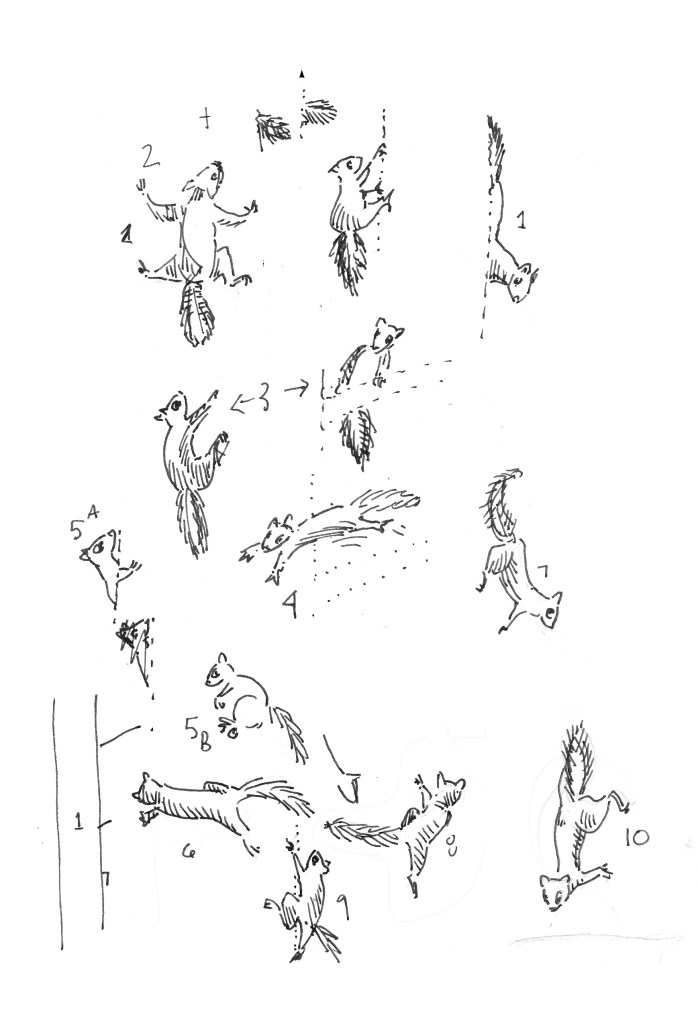
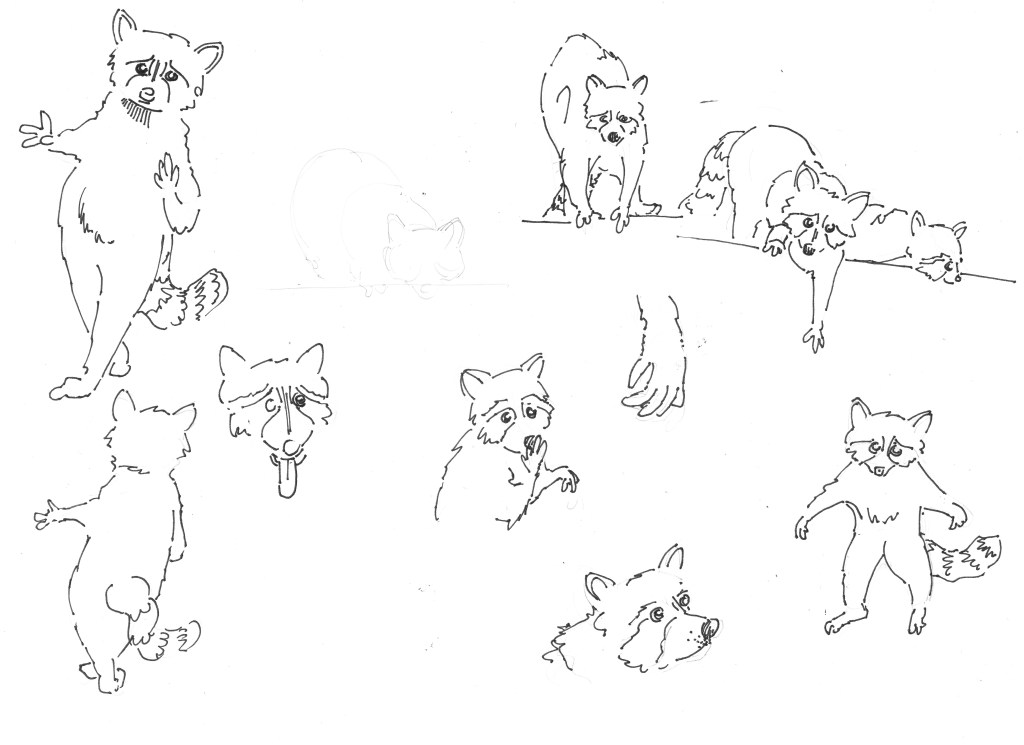
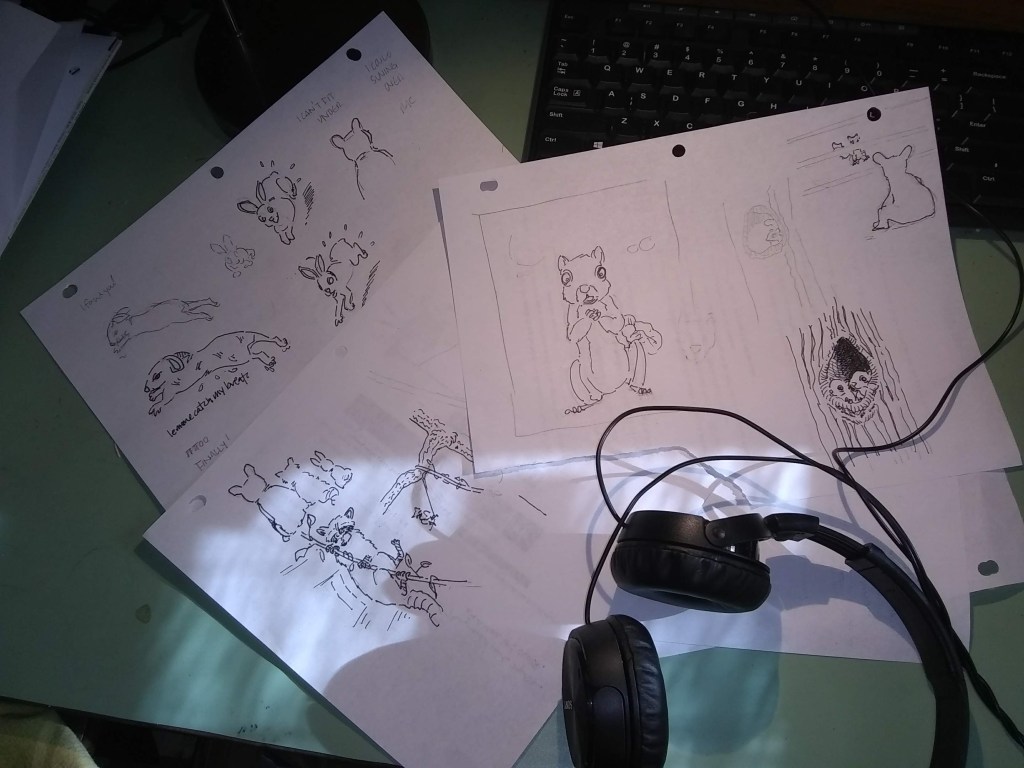
A nice picture of a horse in mid stride is great, but what if you want to try and express the movement as it happens? A raccoon as he loses his grip and tumbles off of a log, hits the ground and jumps back up, maybe. It may be because I’m not sure yet how to do this that I’m a bit fixated on learning just what happens all the way through a long movement. In week 16, you can see how I tried to get a handle on what a squirrel might look like as it leaps from one tree to another.
If you’ve ever seen a squirrel do this, you know that it’s epic. Tiny 3 pound epic, but it’s all about your perspective, isn’t it? By chalking up the movements, step by step, I’m hoping to get people involved in the tiny day to day adventures of squirrels everywhere.
First, I looked at those cool step by step motion pictures by the famous 19th century terribly dedicated photographer, Eadweard Muybridge. The man was prolific and there are many images. You may have seen them, but here’s one. So cool, right?
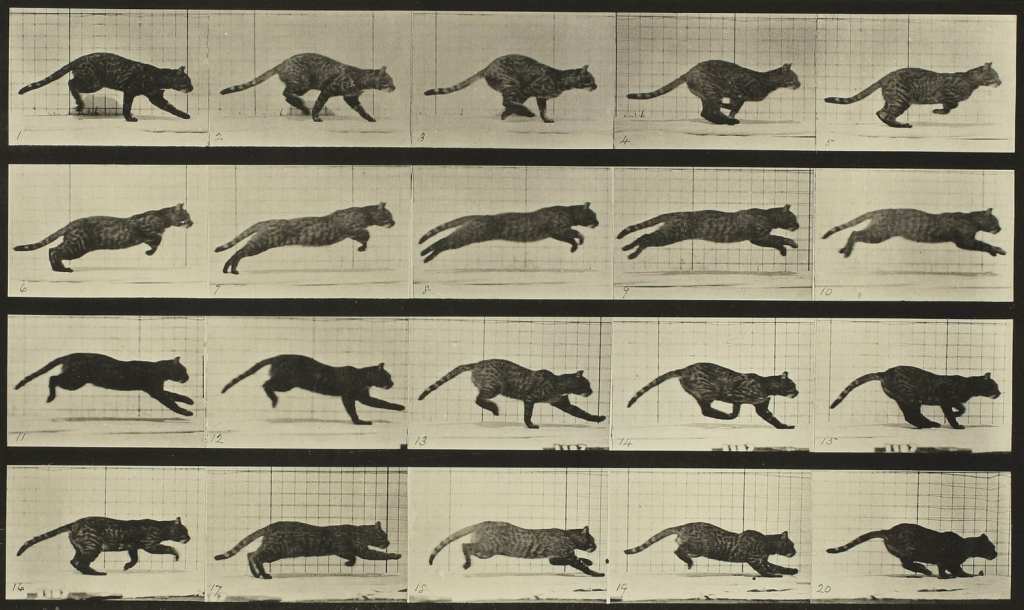
Very helpful, though he didn’t take pictures of squirrels, so I tried to do it by imagining the steps. Somewhat helpful, but I’ve found another trick which has helped me immensely. Let’s call it my secret weapon for drawing animals in motion because, not only does it help me draw what I see, it helps me to better understand how they move.
I find a video of an animal or person or tree branch moving and I stop it, frame by frame, to watch and sketch exactly how each moves from one position to the other. It’s actually quite instructive. Plus, who doesn’t like to watch epic, even in slow motion?
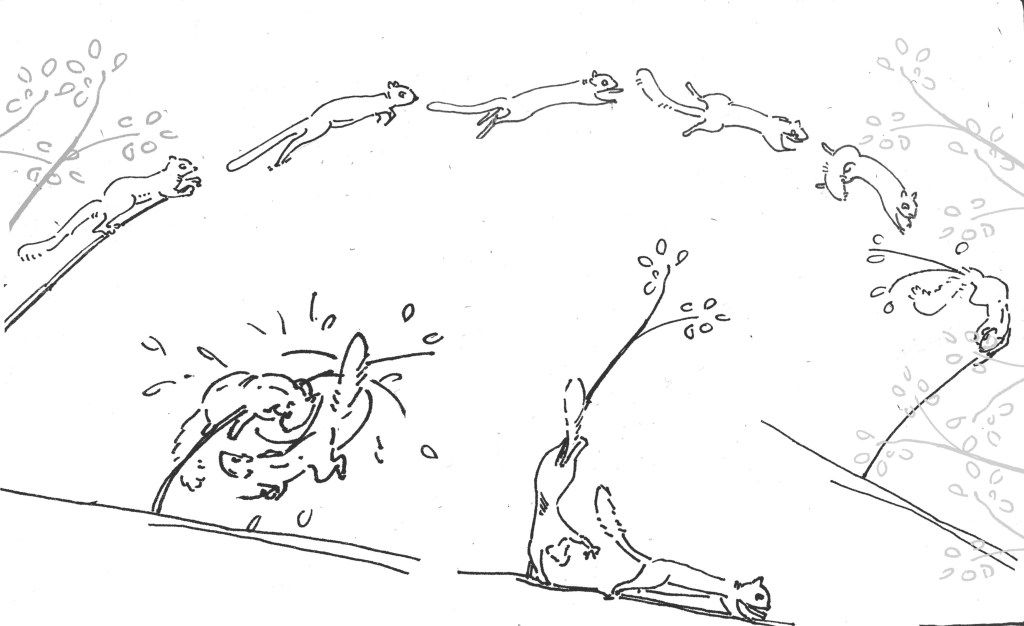
Once you get a feel for how an animal, human, leaf actually bends and moves, you’re on your way to being able to make it do anything.
And another thing
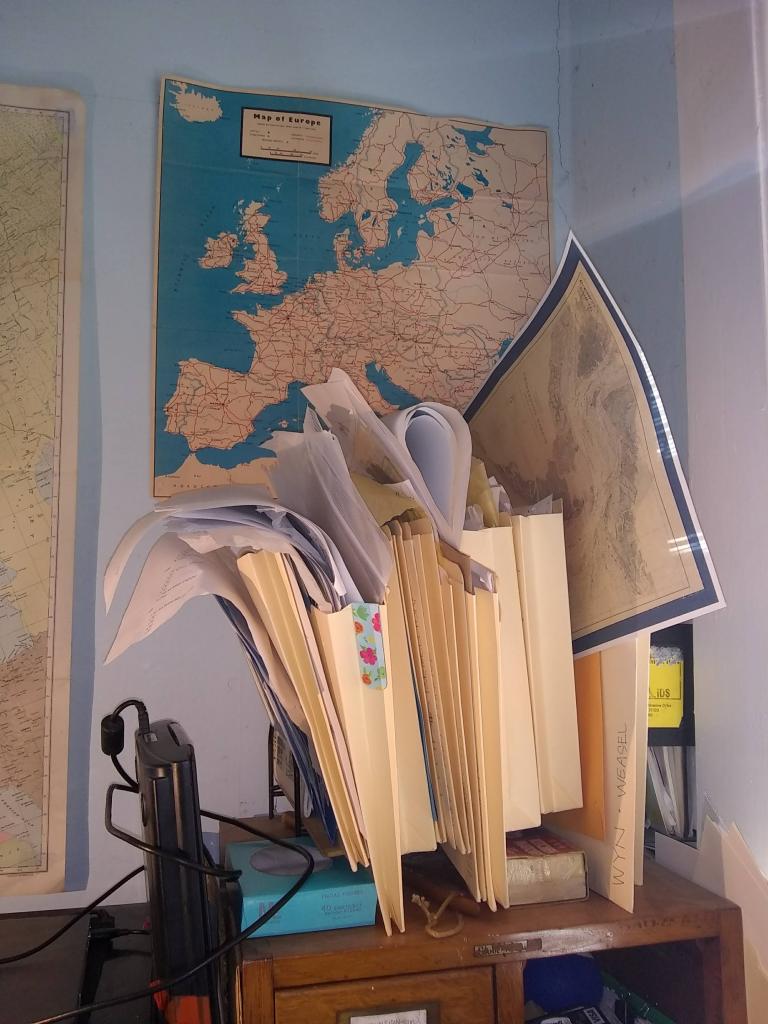
I have folders of sketches, story ideas and scenes I’ve jotted down from yeeears ago. This is the only valid reason I can see to be a hoarder, albeit on a tiny scale. Sometimes you have a fleeting idea or sketch something you think is, well, fine. Or it could be.
Save it. Take a picture if you like. Ideas and the time to do the work to make that picture or that story become its best self do not always coexist. If you find, five years on, that you are suddenly time rich and you can’t remember what those ideas were, well… Save them.
I sketch on random pieces of paper and, however much I love the idea of a tidy, chronological sketchpad, it is not realistic. I honestly think Marie Kondo may need to see someone. Creative people generally have messy desks.
It’s okay. It’s your desk and it contains worlds. An intergalactic transit system is a lot to keep track of, so don’t sweat it.
 anashevillebear.com
You must be logged in to post a comment.